Tone and strengthen your lower belly quickly with these effective lower abdominal exercises. Perfect for home workouts. Get started today!
The lower abdominal muscles, also known as the lower abs, are located below the belly button and play a crucial role in stabilizing the pelvis and supporting the lower back. Strengthening these muscles can improve posture, reduce lower back pain, and enhance overall core strength.
Strengthening the lower abdominal muscles is crucial for building a strong and balanced core. By incorporating these six effective lower abdominal exercises into your workout routine, you can improve your core strength, reduce lower back pain, and enhance your overall fitness.
In this article, we will discuss six effective lower abdominal exercises that can help you achieve a stronger and more balanced core.
10 Minute Lower Abdominal
1. Ab Crunch
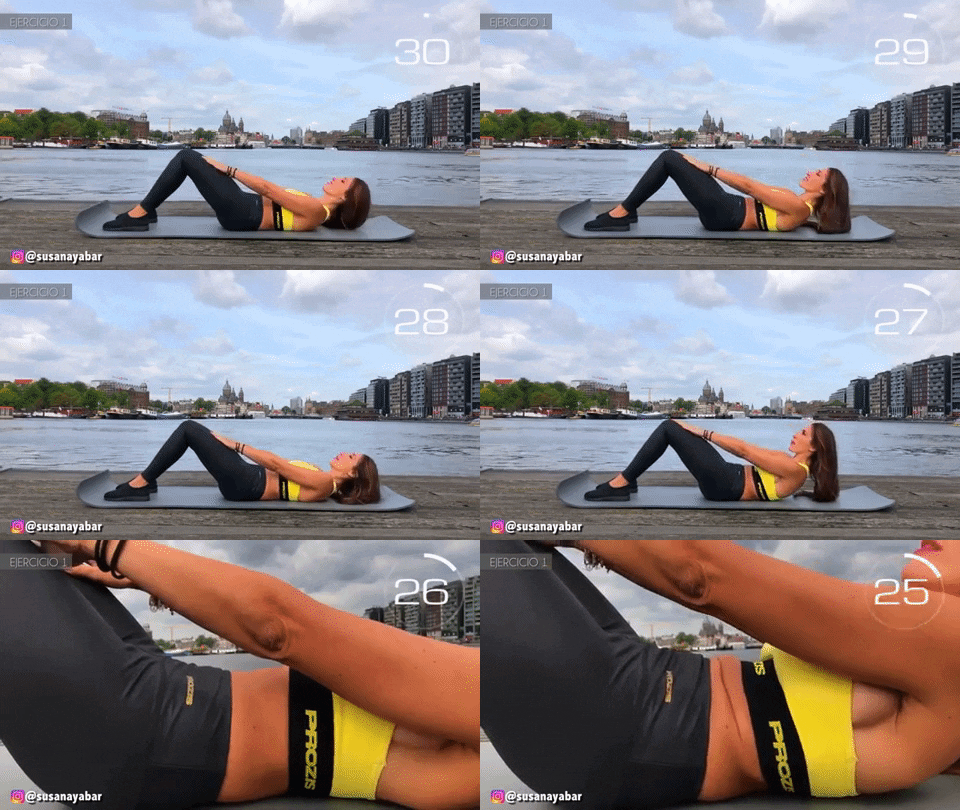
- Lie on your back on a mat.
- Bend your legs, place the soles of your feet on the floor, and place your hands on the back and sides of your head.
- Lift your shoulders slightly off the floor and contract your abdomen, lifting your torso but not lifting your lumbar region off the floor.
- Return to starting position without letting your shoulders touch the floor.
- Repeat for 20 repetitions of 3 sets.
2. Leg raise
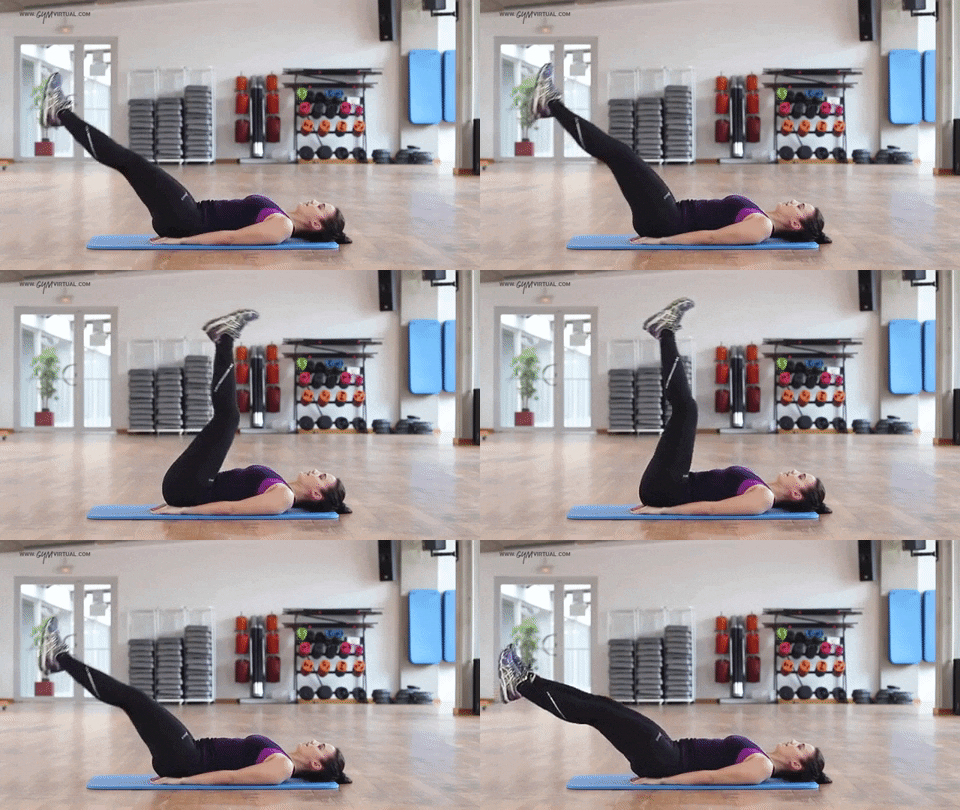
Another basic exercise for working the lower abdomen is the 4-step leg raise.
- Lie down on a mat with your legs extended and your hands behind your neck.
- Stretch your abdominal area and raise one leg until it is perfectly perpendicular to your torso. Repeat with the opposite leg.
- Lower the first raised leg, then do the same with the other leg.
- Perform 3 sets of 15 repetitions.
3. Bicycle
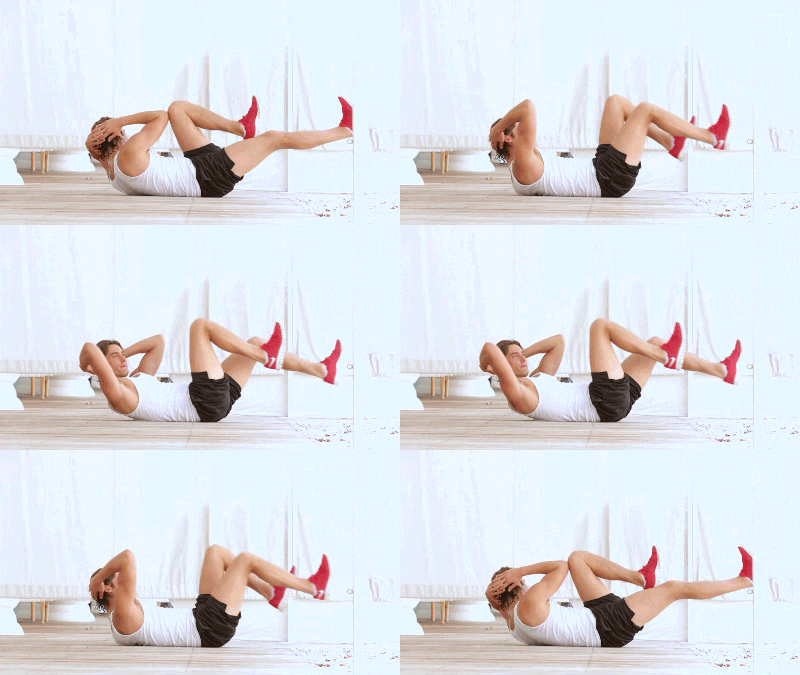
This type of abdominal exercise allows you to work your rectus abdominis and obliques. This allows you to sculpt your entire upper body.
- Lie on your back with your hands behind and on the sides of your head.
- Lift your head slightly and straighten your legs.
- Tighten your stomach and bend your left knee, bringing your right elbow slightly toward your knee.
- Return to starting position by flexing right knee and bringing left elbow toward knee.
- Perform 3 sets of 20 repetitions.
4. Pelvic lift
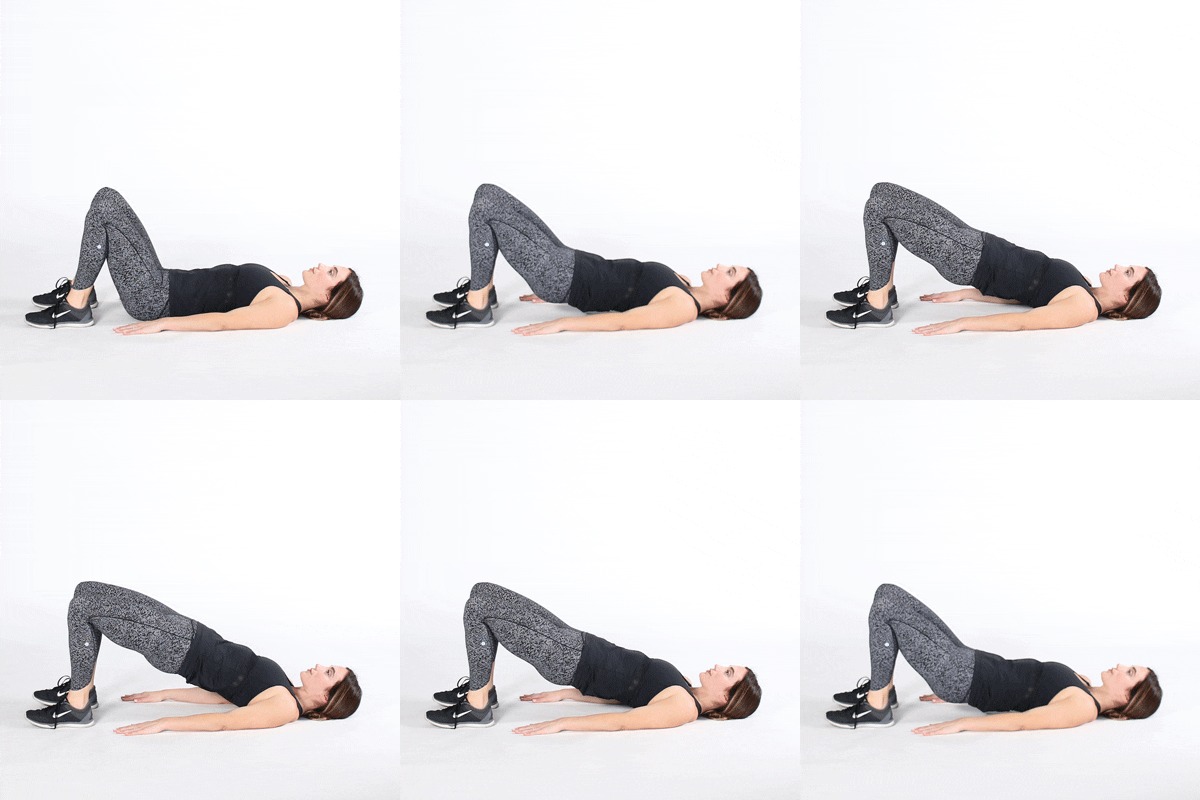
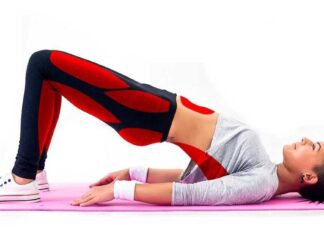
This exercise works not only the lower part of the abdomen, but also the glutes and, to a lesser extent, the obliques.
- Lie on your back on a mat.
- Bend your knees and straighten your arms.
- Tense your abdomen and buttocks so that your hips rise and form a straight line from your knees to your shoulders.
- Hold this position for a few seconds and slowly return to starting position.
- Perform 3 sets of 15 repetitions.
5. Mountain climbers
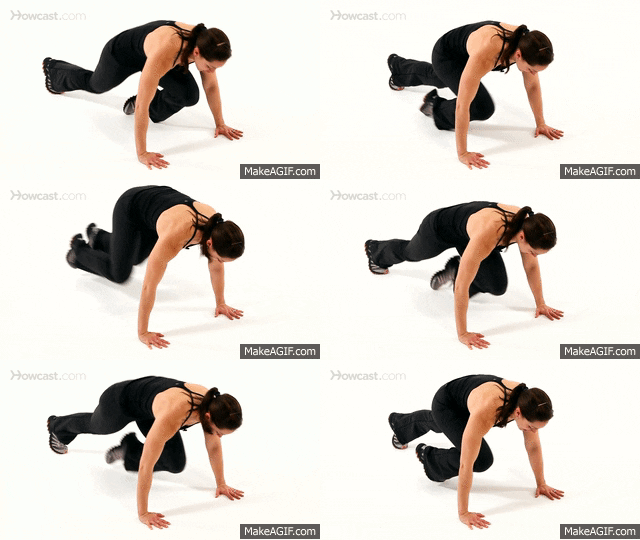
- Lie face down with palms and toes on floor at shoulder height.
- Keeping your arms and legs straight, bring one knee toward your chest while keeping the other leg straight.
- Alternate leg positions with a quick, continuous motion as if running or climbing.
- Perform 3 sets of 20 repetitions.
6. Leg extensions
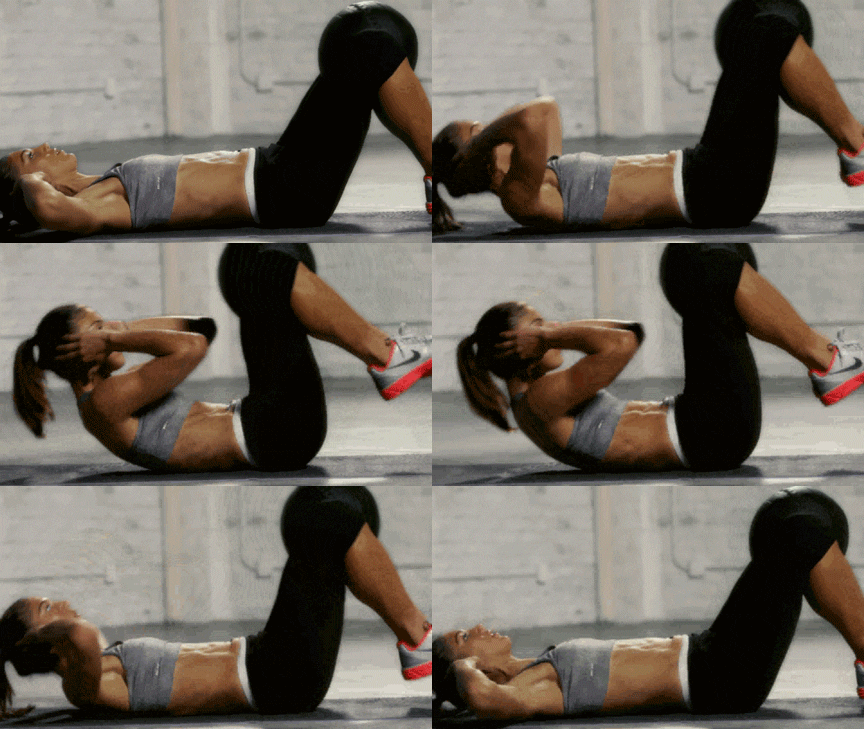
This exercise works the entire rectus abdominis muscle. Although it has a greater effect on the lower abdominal muscles, it has less effect on the obliques and hip flexors.
- Lie on your back on a mat.
- Bend your hips so that your thighs are perpendicular to your torso and your knees are bent 90 degrees.
- Squeeze your abdomen and slowly extend your legs, moving your feet away from your body.
- Gently return to starting position by bending your knees and bringing your feet back close to your torso.
- Perform 3 sets of 15 repetitions for each exercise.
7. Abdominal plank
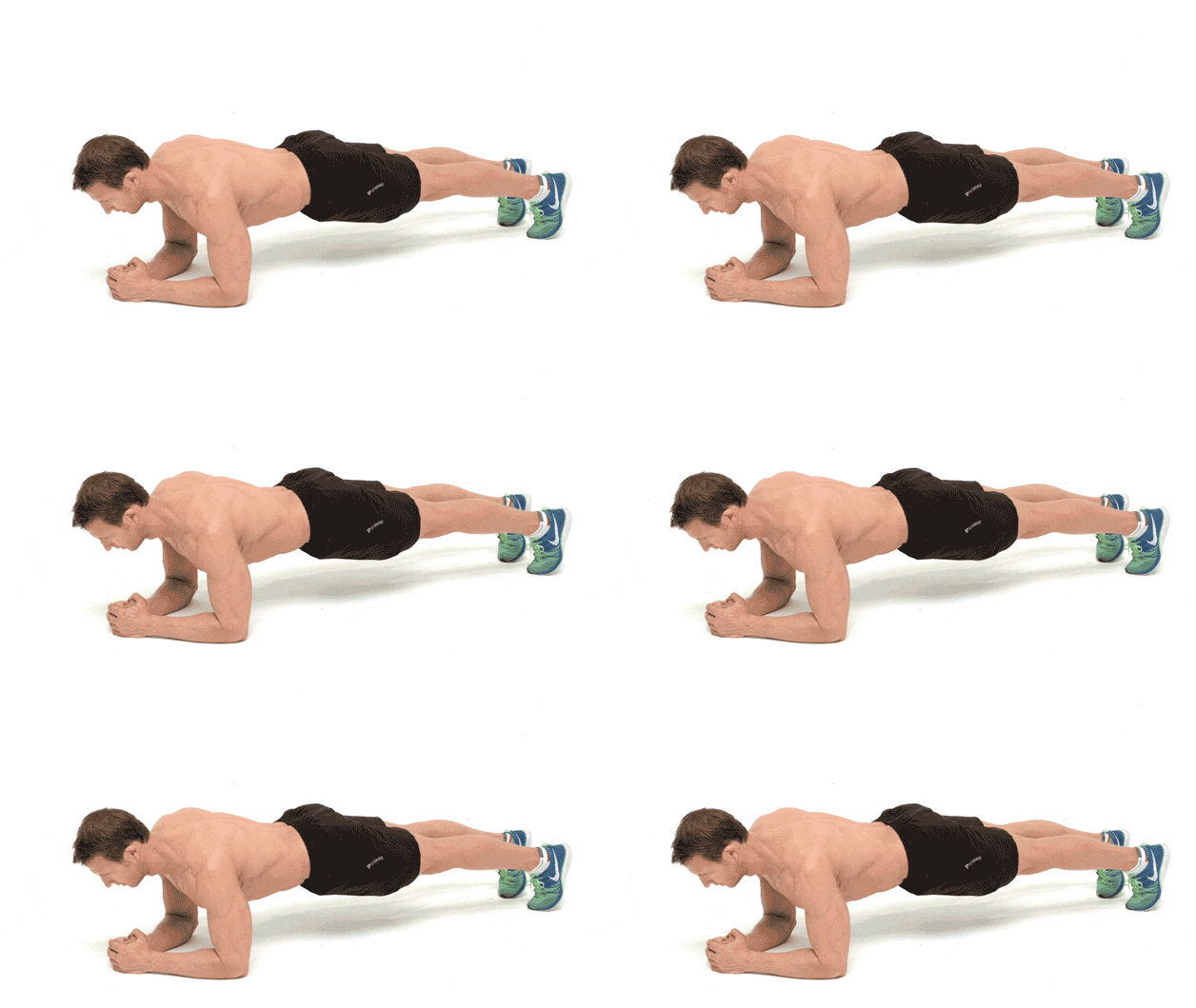
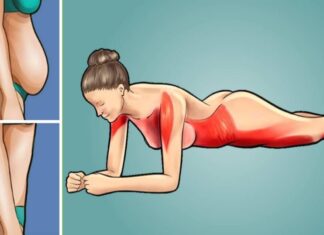
The abdominal plank is your best option for toning your abs while building strength and endurance.
- Lie face down with forearms and toes on the floor.
- Squeeze your abdomen to stabilize your body and keep your torso in line.
- It is important that you do not lift or drop your hips so that you do not lose the effectiveness of the exercise.
- Hold this position for a minimum of 30 seconds for 3 sets.
Remember that to burn fat and get toned muscles, you need to combine these lower abdominal exercises.
Keep reading: 5 Exercises To Get Rid Of Underarm And Side Boob Fat Fast