5 Best Pre Workout Stretches – Warm Up Your Body

66

Pre workout stretches is essential for preparing your muscles and joints for exercise. They boost blood flow, elevate body temperature, lubricate joints and activate key muscle groups, helping to minimise the risk of injury — especially important for high-intensity sessions like your HIIT workout.

Pre workout stretches utilise the same movement patterns as the exercise itself. Unlike static stretching, which can decrease power output if done for too long beforehand, they help increase range of motion while also firing up your nervous system.

5 Best Pre Workout Stretches – Warm Up Your Body, Prevent Injury & Move Better

These 5 dynamic pre workout stretches are the absolute is the best. They target the whole body, require no equipment, and only take 5-10 minutes. Complete 1-2 rounds before your HIIT workout, strength training, or cardio session.

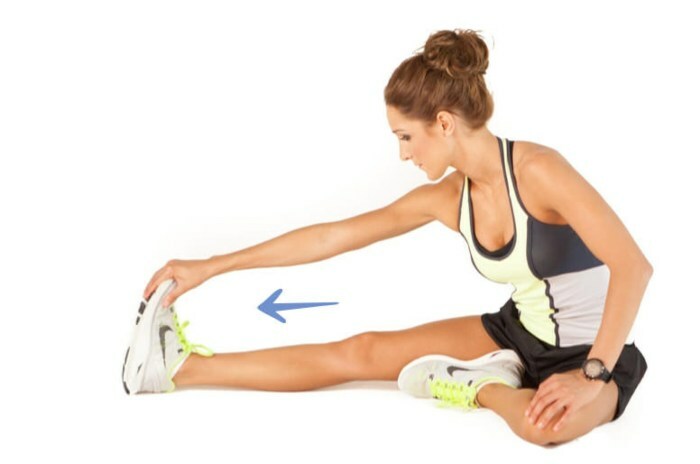
1. Leg & Hamstring Stretch (Seated One-Leg Forward Fold)

5 Pre Workout Stretches That Will Warm You Up for Any Exercise

Targets: Hamstrings, calves, lower back, glutes

This seated forward fold variation isolates one leg for a deeper, more focused stretch on the posterior chain—ideal for prepping legs before heavy leg days or HIIT with lots of lower-body power.

How to Do It:

  1. Sit on a mat (or soft surface), extend your right leg straight in front of you, left leg bent with the sole of your left foot against the inner right thigh (for stability).
  2. Inhale—lengthen your spine, sit tall, chin slightly extended (avoid tucking).
  3. Exhale—hinge forward from the hips (not the lower back), reaching your right hand toward your right foot, shin, or ankle (whichever you can reach comfortably).
  4. Keep your back as straight as possible initially; allow a slight round only if it feels safe.
  5. Flex your right foot (toes toward shin) and gently pull it toward you if flexible.
  6. Add 8 gentle forward wiggles/rolls (small pulses on each exhale) to deepen the release.
  7. Hold the final comfortable position for 20–30 seconds—feel the deep stretch along the right hamstring and calf.
  8. Gently return upright, switch legs, and repeat.
  9. Hold: 20–30 seconds per leg + 8 wiggles

Important Form Cues:

  • Keep the extended knee straight (micro-bend only if hyperextended; use a yoga block or books under your hands if tight).
  • Hinge from the hips—never hunch or round the lower back excessively.
  • Chin extended forward to support proper neck and lumbar alignment.

Tip: Especially beneficial before or after leg-heavy HIIT—loosens tightness that builds from running, jumping, or squatting.

Why It Works: Releases the entire posterior chain, allowing deeper squat depth, longer stride in lunges/high knees, better hip hinge mechanics, and reduced risk of hamstring pulls or lower-back strain during dynamic movements.

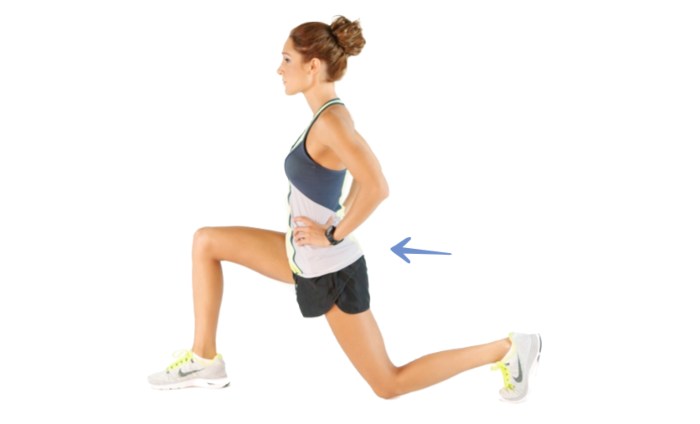
2. Hip Flexor Stretch (Low Lunge / Runner’s Lunge)

5 Pre Workout Stretches That Will Warm You Up for Any Exercise

Targets: Hip flexors (iliopsoas, rectus femoris), quads, lower abs

This classic lunge variation counters the shortening that happens from sitting or forward-dominant HIIT, opening the front of the hips for better extension and posture.

How to Do It:

  1. Start standing tall with feet together.
  2. Step your right foot forward into a deep lunge (front knee bent ~90°, thigh as parallel to the floor as possible).
  3. Lower your left knee to the floor (or hover it slightly off for more challenge); back leg straight or softly bent.
  4. Keep your upper body upright—chest proud, shoulders back and down, no forward lean.
  5. Gently tuck your pelvis (posterior tilt) to feel a stretch in the front of your left hip.
  6. Inhale deeply to lengthen; exhale and sink hips forward a little more (keep back straight, core engaged).
  7. Hold 20–30 seconds, breathing steadily, then switch sides.
  8. Hold: 20–30 seconds per side

Important Form Cues:

  • Front knee stays aligned over the ankle (never past the toes).
  • Avoid arching the lower back—engage core to maintain neutral spine.
  • If knee discomfort on the floor, place a folded towel or cushion under the back knee.

Tip: Add an optional gentle side bend or overhead reach (arms up) for extra thoracic opening once comfortable.

Why It Works: Opens tight hip flexors (common from desk time or cycling motions), improves hip extension for powerful lunges/sprints/jumps, corrects anterior pelvic tilt (which can make the belly protrude or strain the back), and helps prevent lower-back or knee issues in HIIT.

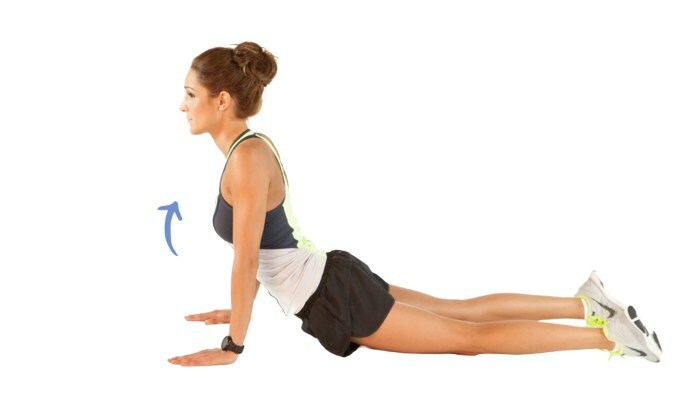
3. Abdominal Stretch (Cobra or Baby Cobra Pose)

5 Pre Workout Stretches That Will Warm You Up for Any Exercise

Targets: Abdominals, chest, front shoulders, hip flexors (gentle stretch)

This backbend variation opens the entire anterior chain (front of the body) while lightly strengthening the back extensors—ideal for counteracting the forward posture many people develop from phones, desks, or driving.

How to Do It:

  1. Lie face down on a mat (or soft surface), legs extended straight behind you, tops of feet resting on the floor.
  2. Place your hands under your shoulders, elbows tucked close to your ribcage.
  3. Inhale—press gently through your palms and slowly lift your chest off the floor (keep hips and pubic bone grounded).
  4. Roll your shoulders back and down, open across the collarbones, and let your gaze go forward or slightly upward (no cranking the neck).
  5. Keep elbows softly bent (avoid locking them); only lift as high as feels comfortable—Baby Cobra (lower lift) is fine if full Cobra feels too intense.
  6. Hold for 20–30 seconds, breathing deeply into the chest and belly (expand on inhales).
  7. Exhale slowly and lower your chest back to the mat with control.
  8. Repeat for 2–3 rounds total.
  9. Hold: 20–30 seconds × 2–3 rounds

Tip: Don’t force the neck backward—keep the gaze mostly forward to protect the cervical spine. If wrists bother you, place forearms on the mat (Sphinx variation) instead.

Why It Works:

  • Gently stretches the rectus abdominis, obliques, chest, and hip flexors that tighten from sitting or forward-leaning movements.
  • Counteracts slouching and rounded shoulders, improving posture and breathing capacity.
  • Lightly engages and strengthens the erector spinae (back extensors), preparing your core for planks, push-ups, crunches, Russian twists, and anti-rotation work in HIIT.
  • Helps relieve mild upper/lower back tension from previous workouts.

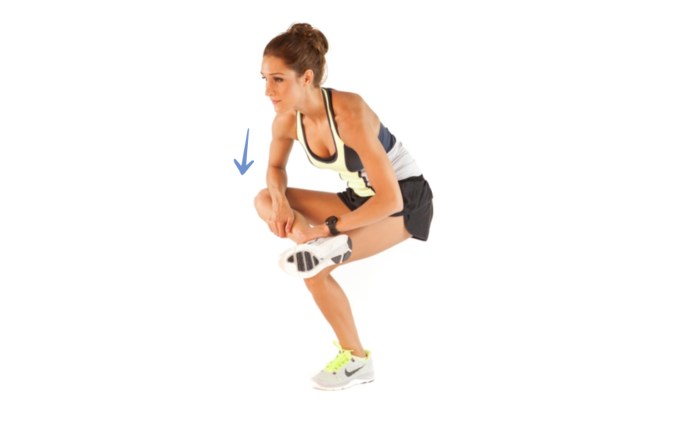
4. Glute Stretch (Figure-Four Stretch)

5 Pre Workout Stretches That Will Warm You Up for Any Exercise

Targets: Glutes (gluteus medius & minimus), piriformis, outer hips

This classic hip opener targets the deep rotators of the hip—crucial for anyone who sits a lot, runs, cycles, or does explosive lower-body HIIT movements.

How to Do It:

  1. Lie on your back (recommended for pre-workout—easier to relax into the stretch).
  2. Cross your right ankle over your left knee, creating a “4” shape with your legs.
  3. Thread your hands behind your left thigh (or shin) and gently pull the left thigh toward your chest.
  4. Keep your head and shoulders relaxed on the mat; feel the stretch deepen in the right glute and outer hip.
  5. If sitting version is preferred (e.g., on floor or bench): sit tall, cross right ankle over left knee, and gently press right knee down/outward while keeping spine long.
  6. Hold 20–30 seconds per side, breathing deeply—exhale to relax deeper into the stretch.
  7. Switch sides and repeat.
  8. Hold: 20–30 seconds per side

Tip: Keep shoulders and neck relaxed—don’t tense up. If you feel pinching in the knee, reduce the pull or use a strap/towel around the thigh.

Why It Works:

  • Releases tight glutes and the piriformis muscle (which can compress the sciatic nerve when tight, causing lower-back or glute pain).
  • Improves hip external rotation and overall mobility—allowing deeper, safer squats, lunges, pistol squats, and lateral movements in HIIT.
  • Reduces tension that travels up to the lower back or down to the knees.
  • Helps prevent hip impingement, IT band issues, and knee tracking problems during dynamic exercises.

5. Chest Stretch (Standing or Doorway Variation)

5 Pre Workout Stretches That Will Warm You Up for Any Exercise

Targets: Pectoralis major & minor, anterior deltoids (front shoulders), biceps, upper traps (gentle opener)

How to Do It:

  1. Stand tall facing a doorway, wall corner, or stable vertical surface, feet hip-width apart.
  2. Place both forearms on the doorframe/wall at roughly shoulder height (elbows bent 90°, palms facing forward or slightly up).
  3. Take a small step forward with one foot (or both), gently lean your chest forward through the doorway until you feel a comfortable stretch across the front of the chest and shoulders.
  4. Keep your core lightly engaged, shoulders down and back (no shrugging toward ears), and maintain a neutral spine.
  5. Breathe deeply into the chest—inhale to expand, exhale to relax deeper into the opening.
  6. Hold 20–30 seconds, then step back to release.
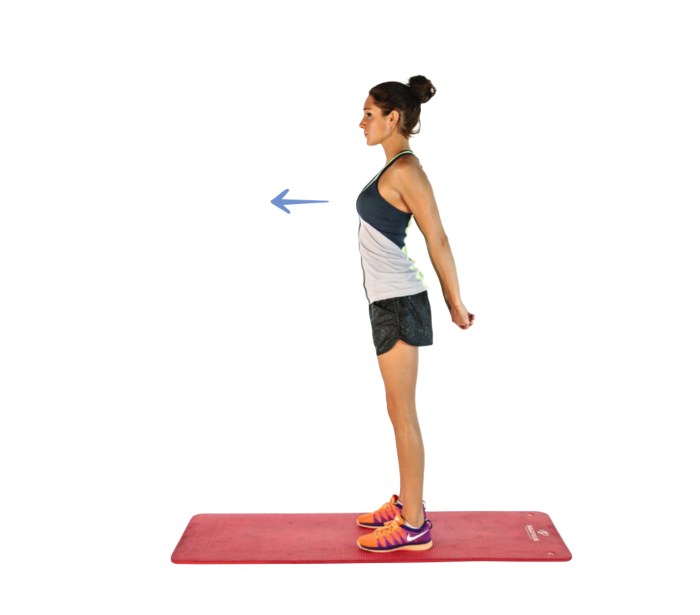
  7. Alternative no-wall version: clasp hands behind your back, straighten arms, and gently lift them away from your body while opening the chest.
  8. Hold: 20–30 seconds × 2 rounds

Tip: Only lean as far as feels good—never force or bounce. If wrists or shoulders feel strained, lower the arm position slightly or use the clasped-hands-behind-back variation.

Why It Works:

  • Opens tight chest and anterior shoulder muscles that shorten from hours of phone use, desk work, driving, or forward-dominant pushing exercises.
  • Pulls the shoulders back into better alignment, counteracting rounded posture (kyphosis) and improving overall upper-body positioning.
  • Increases breathing capacity by expanding the ribcage and front body—helpful for maintaining power and endurance during high-rep HIIT circuits.
  • Prepares the upper body for push-ups, planks, shoulder presses, burpees, mountain climbers, and any overhead or pressing movements without compensatory tightness.

These five pre workout stretches will prepare your body, reduce tightness and enable you to train harder and more safely. Consistency is key: give them a try for 2–4 weeks and you’ll notice an improvement in your mobility and flexibility, as well as seeing better results in your workouts.

Last Updated: March 2026 – Completely Rewritten