Top trainers and strength coaches agree that the most effective core exercises aren’t about achieving a “six-pack” burn. They’re about building functional strength, improving posture, stabilizing the spine, preventing injury, enhancing athletic performance, and creating a strong, resilient midsection that supports your activities in the gym and in daily life.
Elite trainers from CrossFit, bodybuilding, physical therapy, and functional fitness rely on these 10 exercises the most. They target the deep core (transverse abdominis), rectus abdominis, obliques, lower back stabilizers, and even the pelvic floor for a bulletproof, defined core.
10 Best Core Exercises Top Trainers Swear By
Most require minimal or no equipment and are scalable for beginners to advanced trainees. Perform them 2–4 times per week. Now let’s get into the 10 best core exercises top trainers swear by.
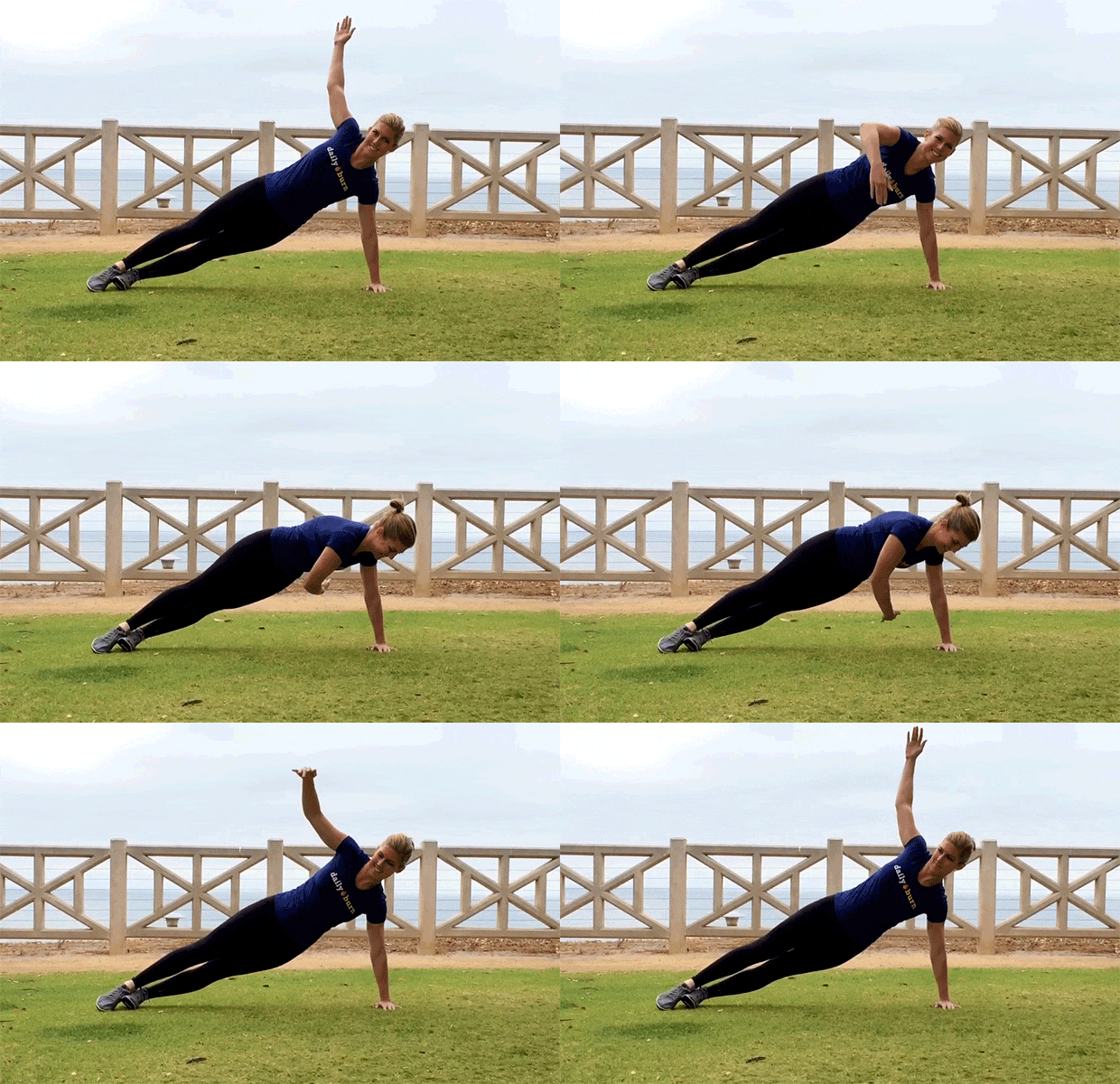
1. Side Plank with Reach Through

Muscles Targeted: Obliques, transverse abdominis, quadratus lumborum (deep side stabilizers), shoulders, glutes, and anti-rotation core muscles.
How to do it:
- Begin in a full side plank position with your right forearm on the floor (elbow under your shoulder) and your body in a straight line with your hips lifted high.
- Extend your left arm straight up toward the ceiling.
- Slowly sweep your left arm under your torso and through the space between your body and the floor.
- Reach as far as possible toward the opposite side or behind you, then return to the overhead position.
- Keep your hips stable and your core braced — no rotation or sagging.
- Reps: 10–12 per side × 3 sets.
Why Trainers Swear By It:
This dynamic variation plank combines isometric holding with controlled anti-rotation movement, making it one of the best for building serious oblique strength and spinal stability. Top trainers love it because it trains the core to resist twisting forces (crucial for sports, lifting, and daily activities), helps prevent lower back pain, and sculpts a tighter, more defined waistline without endless twisting crunches.
2. Windshield Wipers

Muscles Targeted: Obliques (internal and external), transverse abdominis, rectus abdominis (especially lower portion), hip flexors, and stabilizing lower back muscles.
How to do it:
- Lie flat on your back with your arms extended out in a T-shape with your palms facing down for stability.
- Raise your legs straight up to a 90-degree angle. For an easier version, bend your knees at a 90-degree angle.
- Keep your upper back and shoulders pressed to the floor.
- Slowly lower both legs together to the right as far as possible without touching the floor or arching your lower back.
- Use your obliques to pull your legs back to the center, then lower them to the left side.
- Move deliberately—no swinging.
- Reps: 10–12 per side × 3 sets
Why Trainers Swear By It:
Windshield Wipers are a trainer favorite for developing exceptional oblique control and anti-rotation strength while improving hip mobility and teaching the deep core to resist unwanted spinal movement. This helps flatten the midsection, enhances rotational power for athletic performance, and builds resilience against lower back strain—perfect for anyone who sits a lot or plays rotational sports.
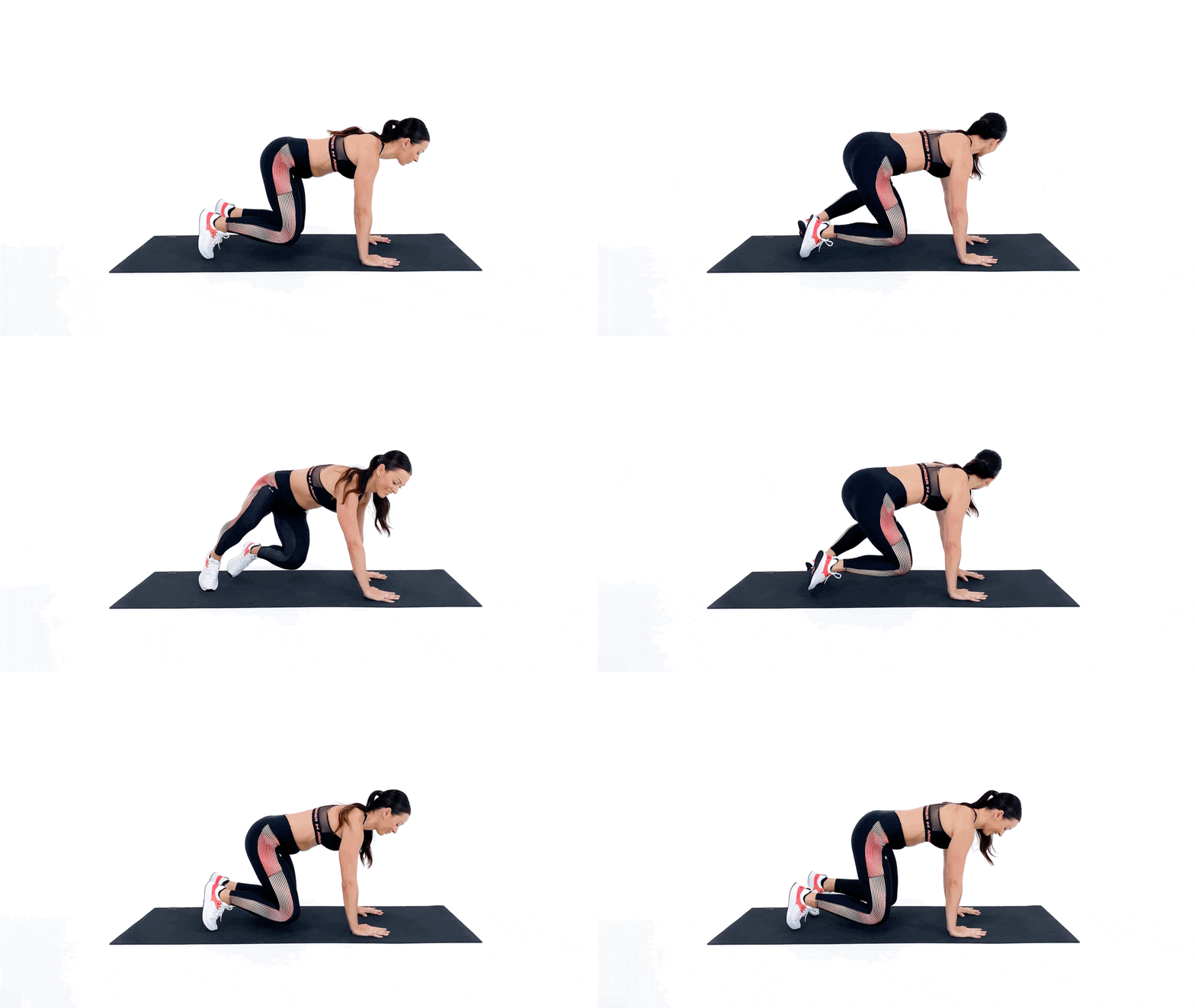
3. Breakdancer

Muscles Targeted: Obliques, transverse abdominis, glutes, shoulders, deep core stabilizers, hip rotators, and coordination muscles (full-body integration).
How to do it:
- Begin in a bear crawl position with your hands under your shoulders and your knees hovering 2–4 inches off the floor. Keep your back flat.
- Engage your core.
- Extend your left arm forward and your right leg back, either straight or slightly bent.
- Rotate your hips open as you bring your right heel toward your left side (or as far as is comfortable).
- Return to the bear crawl position. Switch sides (right arm and left leg).
- Reps: 12–15 per side × 3 sets.
Why Trainers Swear By It:
This dynamic, explosive move is a favourite of trainers for building real-world core coordination and athleticism. It engages the deep stabilisers while challenging the obliques, glutes and shoulders in anti-rotation and rotational pattern, making it perfect for improving balance, agility and functional strength. This, in turn, translates to sports, dance and everyday explosive movements.
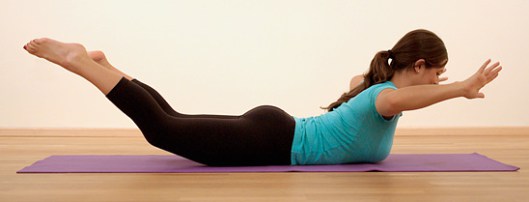
4. Skydiver

Muscles Targeted: Erector spinae (lower back), glutes, posterior core chain, upper back (rhomboids/traps), rear shoulders, and transverse abdominis for bracing.
How to do it:
- Lie face down on a mat with your hands by your temples and your elbows out.
- Extend your legs with your knees slightly bent, if needed.
- Engage your glutes and core, and then lift your chest, arms, and thighs off the floor simultaneously (imagine flying like a skydiver).
- Gaze slightly down to keep your neck in a neutral position. Hold strong at the top without straining.
- Focus on squeezing your back muscles and glutes. Lower yourself with control.
-
Hold: 30–45 seconds × 3 sets (build time)
Why Trainers Swear By It:
Often overlooked, this Lie core exercises activator counters forward hunch from desk work or phone use. Top trainers include it to strengthen the entire back chain, improve posture, reduce lower back vulnerability, and create balanced core strength—essential for spinal health and supporting heavy lifts or running.
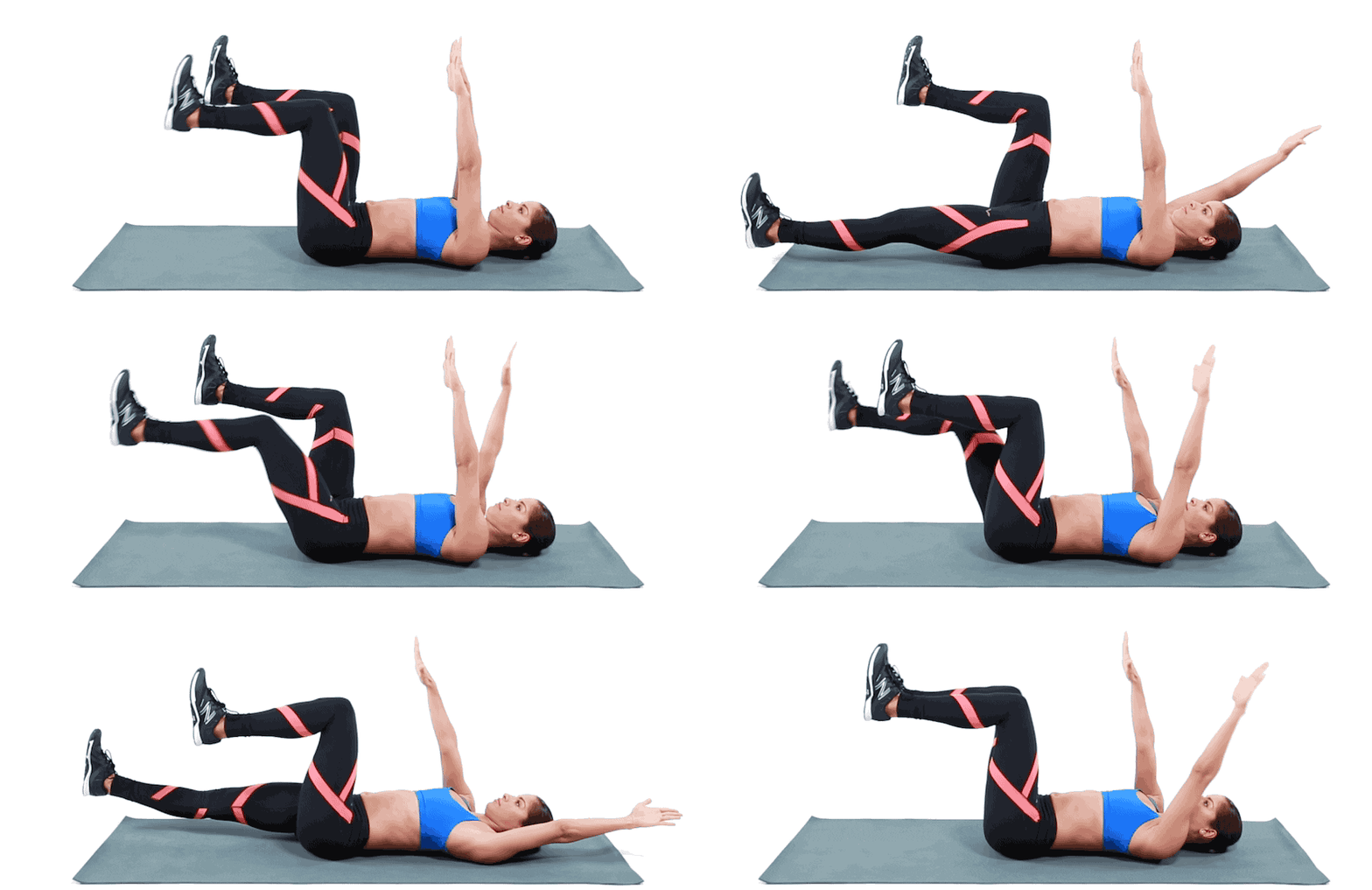
5. Dead Bug

Muscles Targeted: Transverse abdominis (deep core), rectus abdominis, obliques, hip flexors, lower back stabilizers, and anti-extension muscles.
How to do it:
- Lie on your back with your arms extended straight up toward the ceiling.
- Bend your knees at a 90-degree angle so that your shins are parallel to the floor. Press your lower back flat into the mat.
- Slowly extend your right arm overhead toward the floor behind you and your left leg straight out toward the floor in front of you.
- Lower both until they are just hovering, without arching your back.
- Return to the starting position with control, then switch sides. Exhale on extension.
-
Reps: 10–12 per side × 3 sets
Why Trainers Swear By It:
Physical therapists and elite trainers consider the Dead Bug exercise to be the gold standard for preventing extension. It teaches precise core bracing while moving your limbs, which protects your spine, builds deep stability, flattens your abs, and enhances your performance in squats, deadlifts, running, and daily life without pain.
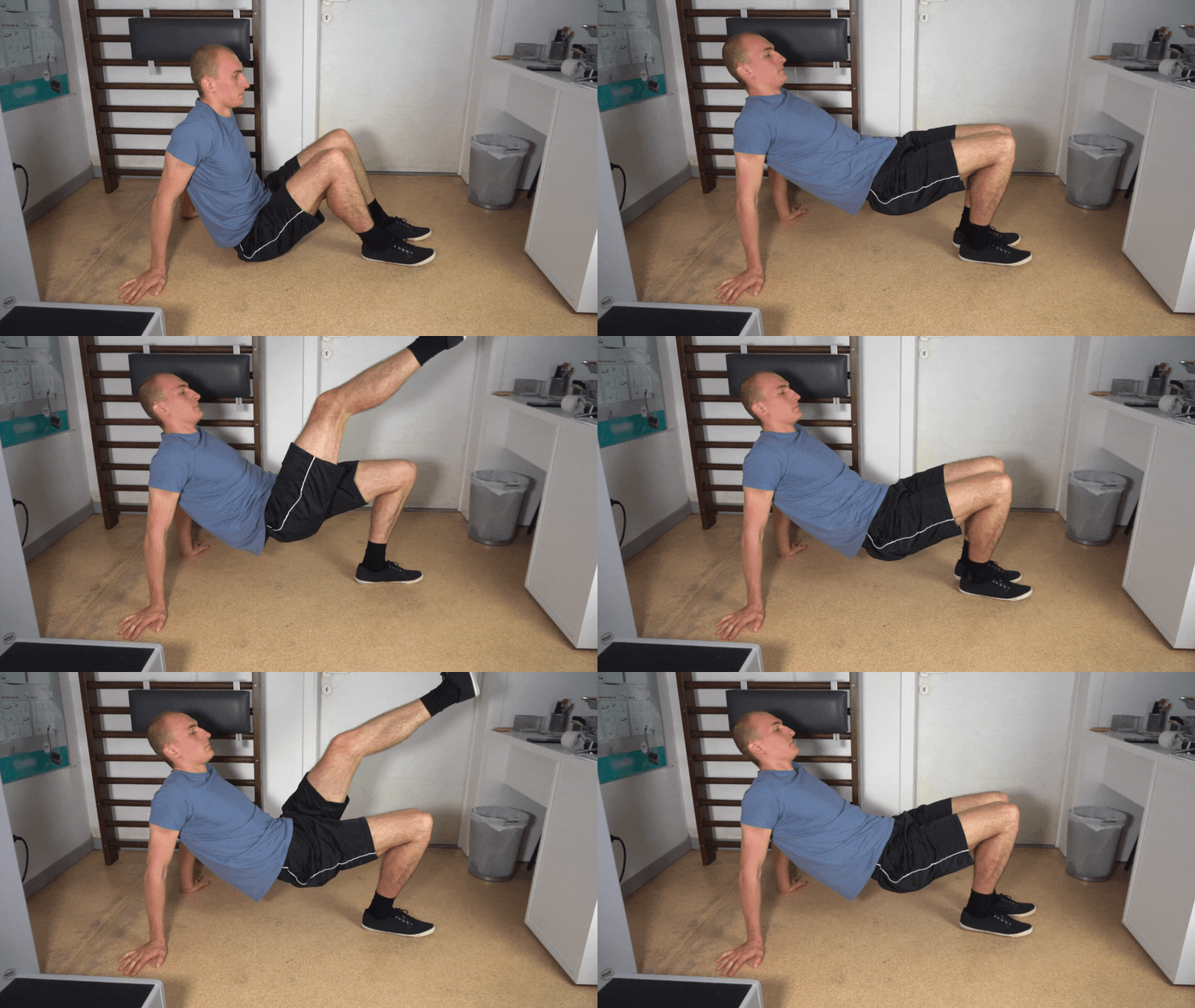
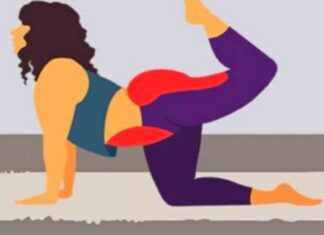
6. Crab Kicks
Muscles Targeted: Glutes (maximus and medius), hamstrings, transverse abdominis, obliques (lateral core), shoulders, triceps, and hip extensors.
How to do it:
- Sit on the floor with knees bent, feet flat on the ground and together (hip-width apart for stability).
- Place your hands behind you, fingers pointing toward your body or slightly outward, palms flat on the mat.
- Press through your hands and feet to lift your hips high into a reverse tabletop (crab) position—create a straight line from knees to shoulders, chest open, and core braced.
- Keeping hips elevated and level (no sagging), kick one leg straight up toward the ceiling (or as high as possible) while squeezing the glute hard at the top.
- Lower the leg with control back to the starting position, then immediately switch to the other leg without letting hips drop.
- Maintain tight core engagement throughout—avoid arching the lower back.
- Reps: 10–15 per side × 3 sets.
Why Trainers Swear By It:
This compound functional exercise combines glute activation with hip extension and lateral core stability while challenging shoulder endurance in the elevated hold. Trainers love it because it builds an athletic, resilient core that supports explosive movements, improves hip mobility, and enhances posture. It’s great for runners, lifters, and anyone who wants stronger glutes and a tighter midsection.
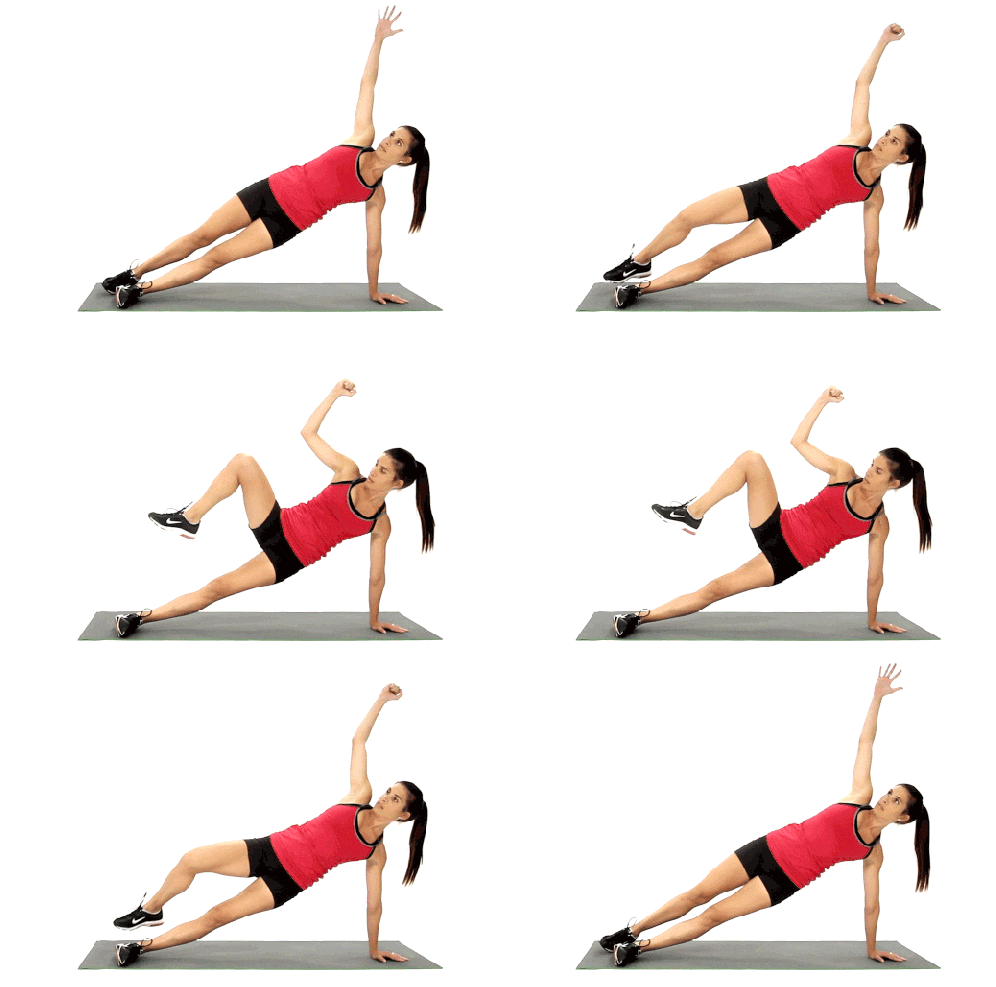
7. Star Plank Leg Raise

Muscles Targeted: Obliques, transverse abdominis, hip abductors, quadratus lumborum, shoulders, and core anti-lateral flexion muscles.
How to do it:
- Begin in a strong side plank position (forearm or full hand): elbow or hand directly under shoulder, body in a straight line from head to heels, hips lifted high.
- Reach your top arm straight up toward the ceiling to open the chest and improve balance.
- Engage your core fully, then slowly lift your top leg to about a 45-degree angle (or higher if strength allows), keeping it straight and toes pointed or flexed.
- Hold the raised position for 1–2 seconds at the top, squeezing the obliques and hip abductors.
- Lower the leg with slow control—no dropping or twisting the hips/torso.
- Complete all reps on one side before switching.
-
Reps: 10 lifts per side × 3 sets.
Why Trainers Swear By It:
As an advanced side plank progression, this move intensely targets the obliques and hip abductors for lateral stability while building shoulder endurance and overall core resilience. Top trainers recommend this core exercises for sculpting a defined waist, improving balance, and preventing imbalances that lead to lower back or hip issues—ideal for athletes and those seeking functional, aesthetic core strength.
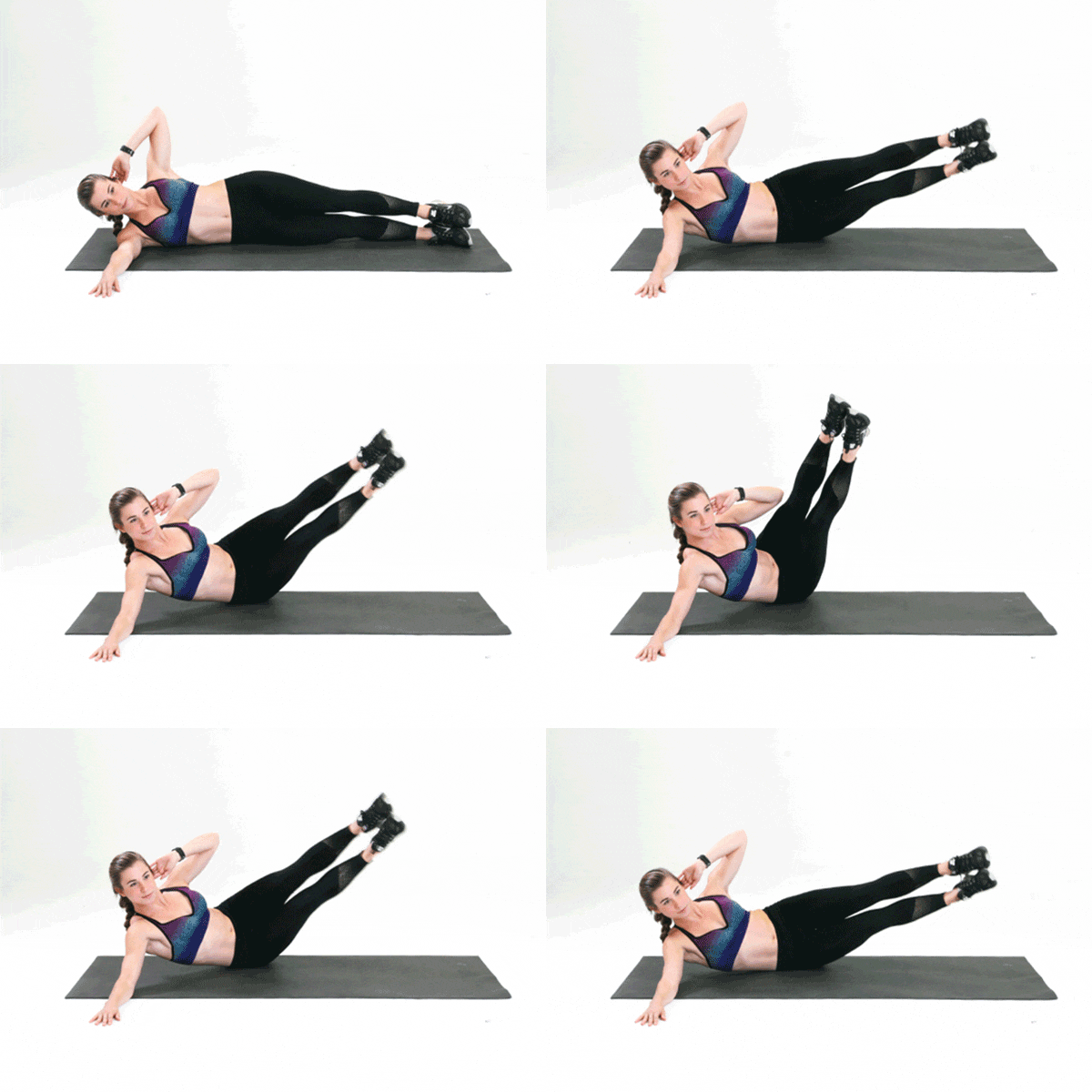
8. Side V-Ups

Muscles Targeted: Obliques (especially external), rectus abdominis, transverse abdominis, hip flexors, and serratus anterior (for shoulder stability).
How to do it:
- Lie on your right side with legs straight and stacked (slightly forward of your torso for balance), bottom arm extended along the floor for support or hand planted.
- Place your top hand lightly behind your head (elbow pointing up), avoiding pulling on the neck.
- Exhale and contract your obliques to crunch upward into a V-shape: simultaneously lift your hips off the floor and bring your top elbow toward your top knee (or as close as possible), raising your torso and legs together.
- Squeeze the obliques hard at the peak contraction for maximum activation.
- Lower back down with slow, controlled movement—no crashing.
- Complete all reps on one side, then switch.
-
Reps: 10 per side × 3 sets.
Why Trainers Swear By It:
This powerful oblique move combines a side crunch with hip lift for deep lateral core engagement, targeting the often-underworked side abs and hip flexors. Trainers swear by it for carving definition around the waist, improving rotational power, and building functional strength that supports twisting sports, daily movements, and injury prevention.
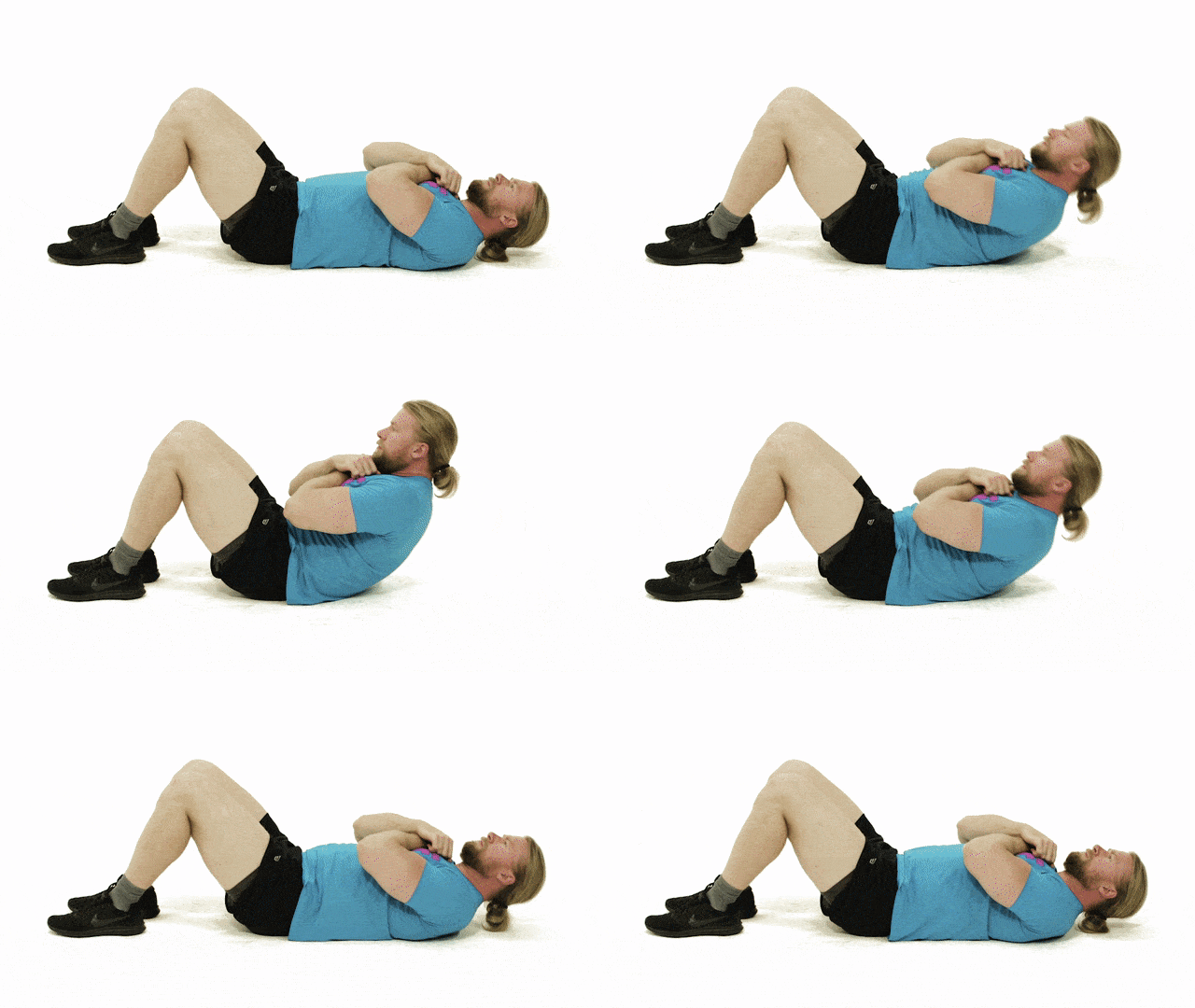
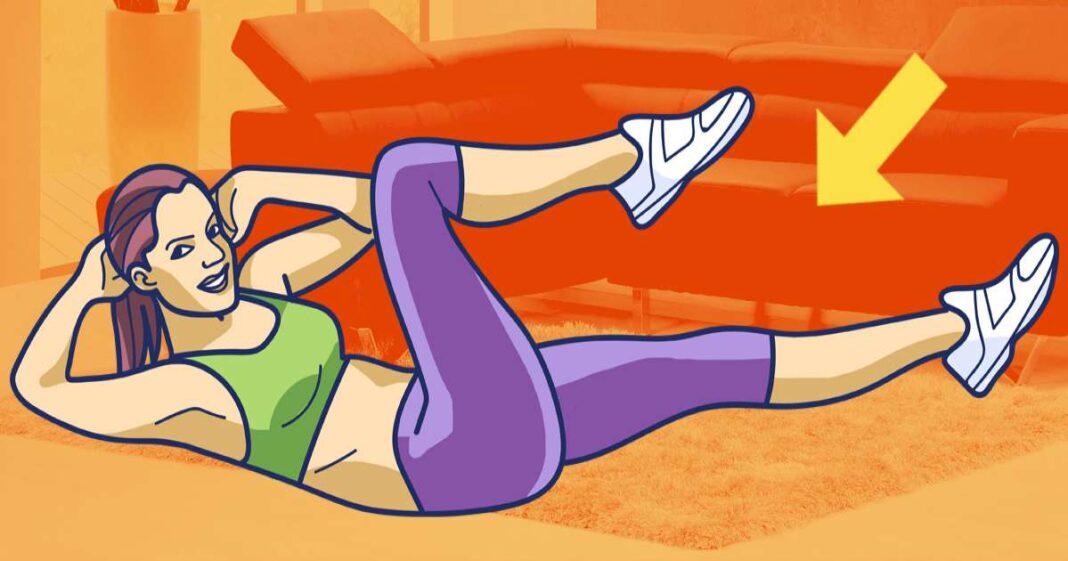
9. Classic Crunches

Muscles Targeted: Rectus abdominis (especially upper portion), transverse abdominis, internal/external obliques (to a lesser degree), and serratus anterior.
How to do it:
- Lie flat on your back on a mat with knees bent, feet flat on the floor hip-width apart, and lower back gently pressed into the ground.
- Cross your arms over your chest (preferred for beginners to avoid neck strain) or place your fingertips lightly behind your ears/ head—do not interlock fingers or pull on your neck.
- Inhale to prepare, then exhale as you contract your abs to curl your shoulders and upper back off the floor. Focus on bringing your ribs toward your hips—lift only until your shoulder blades clear the mat (no full sit-up).
- Pause and squeeze at the top for 1 second to maximize contraction.
- Inhale and lower slowly with control, keeping tension in the abs the entire time—never let your lower back arch or fully relax.
- Repeat without momentum or bouncing.
-
Reps: 10–15 controlled reps × 3 sets.
Why Trainers Swear By It:
Despite being “old school,” classic crunches remain a trainer staple when performed with proper form. They isolate the rectus abdominis, which is essential core exercises for developing a six-pack, strengthen the mind-muscle connection, and teach pure abdominal flexion, preventing hip flexor dominance. When performed correctly, with no neck pulling or momentum, they contribute to visible definition and improved core control for compound lifts.
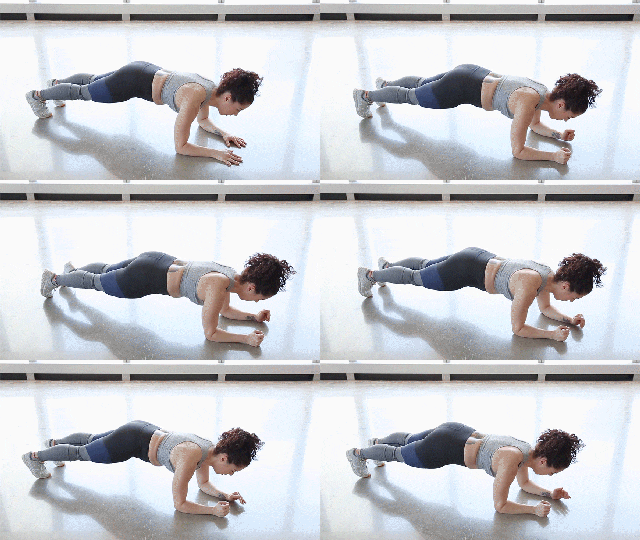
10. Army Crawls

Muscles Targeted: Transverse abdominis, rectus abdominis, obliques, erector spinae, shoulders, chest, triceps, glutes, quads, and full anti-rotation / anti-extension stabilizers.
How to do it:
- Begin in a low forearm plank position: elbows under shoulders, forearms on the ground, body in a straight line from head to heels, hips low and level (no pike or sag).
- Brace your core hard—like you’re wearing a tight belt—and keep breathing steadily.
- Slide your right arm forward a few inches while simultaneously dragging your left leg forward to meet it (keep hips and torso low to the ground).
- Alternate sides in a slow, deliberate crawling motion—opposite arm and leg move together.
- Move forward in a straight line, staying as close to the floor as possible without letting hips rise or rotate.
- Continue for the prescribed distance or time, focusing on tension and control rather than speed.
-
Time/Distance: 30–60 seconds or 10–15 meters forward × 3 sets
Why Trainers Swear By It:
The Army Crawl, a full-body tension drill, is a favorite among military trainers, CrossFit coaches, and functional fitness experts because it forces the core to stabilize dynamically under load and movement. It builds incredible anti-rotation and anti-extension endurance, improves shoulder and hip stability, and provides strength that carries over to sports, obstacle courses, and everyday life.
Top trainers swear by these 10 core exercises because they build functional strength, protect the spine, improve posture, and create a strong, defined midsection that supports all your activities, whether you’re lifting, running, or going about your daily life.